The systems beneath the future.
The future is not a collection of disconnected sectors. It is one physical, computational, and human system.
Electricity powers computation. Light and bandwidth move information. Memory preserves it. Artificial intelligence interprets it. Advanced materials improve its efficiency. Robotics converts intelligence into physical action. Health and human agency define its purpose. Orthogonal builds, owns, and operates the companies that connect these layers.
One physical, computational, and human system.
The architecture connects the layers. Orthogonal builds and compounds the companies between them.
Institutional Engine
Company
Building
- Build
- Own
- Ready
- Compound
- Permanent capital
- Shared infrastructure
- Operating feedback
- Long-term ownership
- Transparent status
Thesis > Company > System
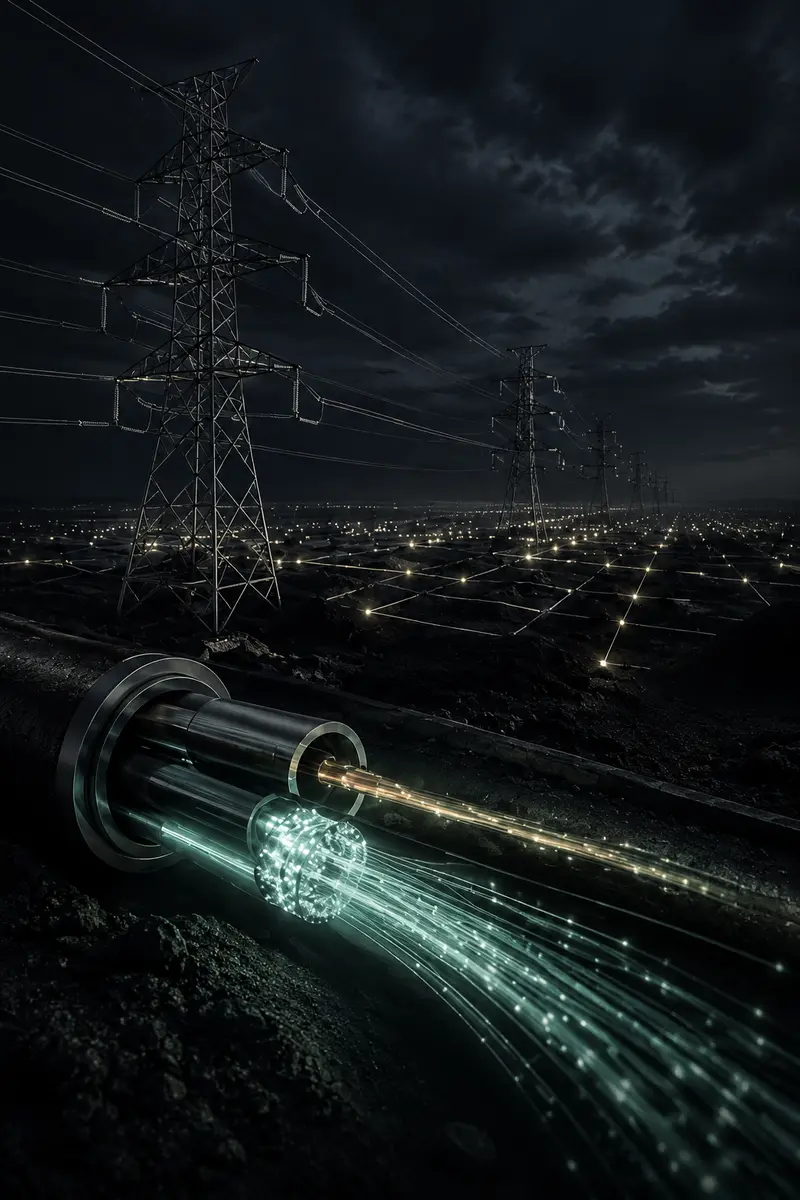
Energy, Light + Frequency
Power is the first dependency.
Every digital and biological system begins with energy. Orthogonal focuses on infrastructure that generates, stores, routes, and intelligently manages electricity — and on the light, sound, and frequency layers that carry signals, sense environments, and create new modes of interaction.
Modules: generation and storage / optical networks and photonics / sensing and frequency / grid intelligence
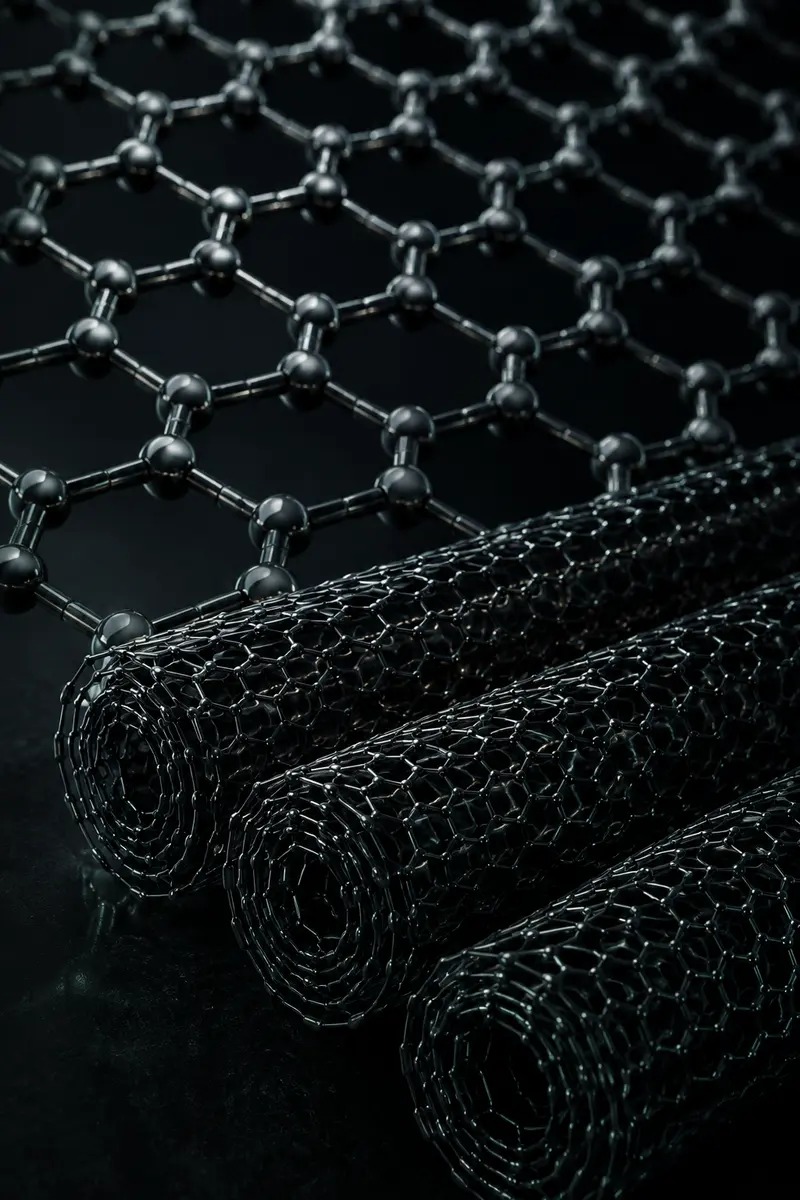
Advanced Materials
The substrate changes what is possible.
Carbon nanotubes, graphene, advanced glass, and engineered composites can change conductivity, strength, weight, heat transfer, sensing, storage, and manufacturing. Orthogonal treats materials as enabling layers across energy, compute, health, and physical systems.
Modules: carbon nanotubes / graphene and 2D materials / advanced glass and photonic materials / engineered composites

Memory, Storage + Bandwidth
Intelligence is only as durable as its memory.
Memory connects data, identity, reasoning, and action. Orthogonal is interested in architectures that make storage faster, more local, persistent, energy-efficient, and secure — from photonic pathways and semiconductor memory to distributed systems and institutional memory.
Modules: memory hardware / data movement / local and private memory / organizational memory
Next-Gen Compute
Compute must move closer to the problem.
Not every decision belongs in a distant cloud. Orthogonal explores edge, heterogeneous, photonic, neuromorphic, and specialized compute that can reduce latency, energy use, and dependency while increasing control.
Modules: edge compute / accelerators and specialized silicon / photonic and alternative architectures / secure local infrastructure

Local AI + OSINT
Intelligence with context, provenance, and control.
Local AI and agentic systems should help people and companies remember, reason, investigate, and act without surrendering agency. Orthogonal focuses on systems that preserve provenance, respect boundaries, and make decisions inspectable.
Modules: agentic workflows / OSINT / private knowledge systems / decision support
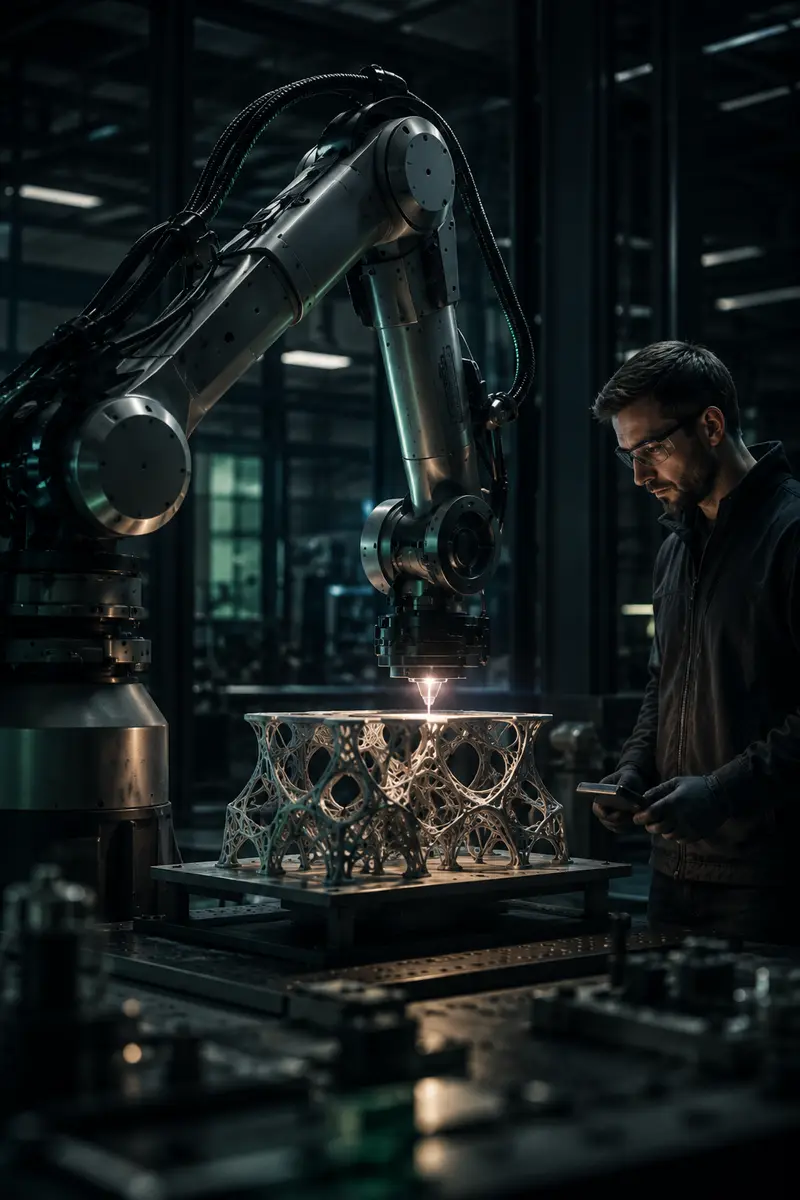
Robotics + Fabrication
Intelligence becomes valuable when it can act.
Robotics, automation, and additive manufacturing close the loop between a decision and its physical execution. Orthogonal looks for systems that combine sensing, adaptive control, safer automation, and flexible production.
Modules: robotics / machine vision and sensing / adaptive control / additive and distributed manufacturing

Health + Human Agency
Human capability is the purpose layer.
Health is not an adjacent vertical. It is the outcome the entire system should serve. Orthogonal is interested in prevention, resilience, personalized decision support, and environmental inputs that may expand useful human time and agency.
Modules: prevention / personalized systems / environmental inputs / human agency

Company Building
From thesis to enduring company.
Orthogonal is the builder and long-term owner. Every company in the system is evaluated, validated, incubated, built, and operated with shared infrastructure, capital discipline, and operating feedback. The institutional line is Build / Own / Ready / Compound. The internal operating path is Discover → Validate → Incubate → Build → Operate → Compound.
Modules: research and thesis / validation / incubation / build and operate / shared infrastructure
Continue the work. Build beyond it.
Harry Yeh was a systems thinker, technologist, and builder. Over years of conversation and collaboration, work developed together with David Nikzad continues through Orthogonal Thinker — especially across advanced materials, carbon nanotubes, graphene, memory, energy, compute, and the interconnected systems linking them.
The architecture of this operating system — the physical layers, the computational infrastructure, the intelligence fabric — reflects lines of thinking worked through together. The questions Harry was asking about materials, energy efficiency, and the structure of the next economy remain central to the work.
His contribution is acknowledged here with precision and care.
Build. Partner. Invest.
Orthogonal works with a small number of companies and partners each year.
Founders
Companies at growth stage seeking operating support, capital, and long-term ownership alignment.
Apply for Funding →Partners
Institutions, advisors, and operators aligned with the system's sectors and objectives.